
In This Article
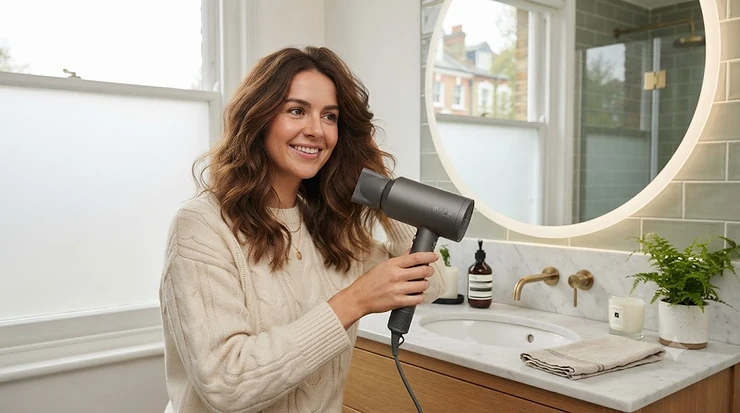
Stand in any busy salon for an hour and you’ll notice something most clients never mention out loud: the noise never really stops. Multiply one roaring dryer by four or five chairs running at once, and you’ve got a soundscape that wears down stylists’ ears and frays clients’ nerves long before the blow-dry is even finished. A quiet professional hair dryer is, in short, a salon-grade drying tool engineered to produce significantly less noise than a standard 80-90 decibel dryer, typically through a brushless DC motor and refined airflow design, without sacrificing the drying speed and styling power a working stylist actually needs.
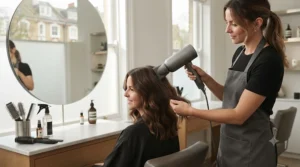
This isn’t a niche concern dressed up as a trend. As the Health and Safety Executive notes in its Control of Noise at Work Regulations guidance, employers must assess the risk to workers’ hearing once daily noise exposure reaches 80 decibels (A-weighted) — a threshold that a busy, multi-chair salon running traditional dryers all day can realistically approach or exceed. Add in client comfort, which directly affects how relaxed and likely-to-rebook someone feels in the chair, and the case for switching to a genuinely quiet machine stops being a luxury upgrade and starts looking like sound business sense.
What follows is an honest, spec-led comparison of seven real, currently available quiet professional hair dryers, spanning sensibly priced workhorses through to premium flagship models, along with practical guidance on what actually makes a dryer quiet, how to choose one for your own chair, and where the ergonomics of the tool itself matter just as much as the decibel rating on the box.
Quick Comparison Table
For stylists short on time between clients, here’s the at-a-glance version.
| Dryer | Approx. Noise Level | Motor Type | Best For |
|---|---|---|---|
| Parlux 3800 EcoFriendly | Moderate, built-in silencer | AC | Salon-trusted reliability |
| Panasonic EH-NA65 (Nanoe) | Moderate-low | AC with ionic | Frizz control plus quieter use |
| ghd Helios | Moderate-low | DC | All-round professional performance |
| Gamma+ Relax Silent | Very low (~64 dB) | DC, vibration-dampened | Quietest option on this list |
| mdlondon BLOW | Low (~76 dB) | Brushless DC | Stylist-designed quiet workhorse |
| Beauty Works AERIS | Low | Brushless DC | Lightweight all-day comfort |
| Dyson Supersonic (Nural) | Low-moderate (~75-81 dB) | Digital brushless | Premium build and diagnostics |
Scanning across this table, a clear pattern emerges: brushless DC motors consistently outperform traditional AC motors on noise, often by a meaningful margin, which is why five of the seven dryers here use some form of brushless or digitally-controlled motor. The trade-off tends to be price — the quietest options on this list, the Gamma+ Relax Silent and the Dyson Supersonic, both sit toward the premium end, while the Parlux and Panasonic offer a more accessible route into noticeably quieter drying without the flagship price tag.
💬 Just one click — help others make better buying decisions too!😊
✨ Don’t Miss These Exclusive Deals!
🔍 Check current pricing on the quiet professional hair dryers above before you commit — salon equipment deals and bundle offers shift often.
Top 7 Quiet Professional Hair Dryers: Expert Analysis
Seven real, currently available dryers, spanning sensible mid-range workhorses through to premium flagship models, each assessed on genuine noise performance rather than marketing language alone.
1. Parlux 3800 EcoFriendly — best salon-trusted reliability pick
The standout feature is a built-in silencer that working stylists have relied on for years, making this one of the longest-standing names in the “quieter salon dryer” conversation rather than a recent marketing entrant.
The 3800 EcoFriendly uses a traditional AC motor, but Parlux’s silencer technology specifically targets motor noise without throttling airflow, which matters because plenty of “quiet” dryers achieve lower decibels simply by reducing power. Based on the spec comparison with newer brushless models on this list, the Parlux doesn’t quite match a Gamma+ or mdlondon on raw decibel numbers, but its reputation for durability through back-to-back salon shifts is exactly why so many working stylists still reach for it. Reviewers consistently note that the noise reduction is genuinely noticeable compared with older AC-motor salon dryers, even if it isn’t whisper-quiet by brushless-motor standards.
✅ Built-in silencer genuinely reduces noise without cutting airflow
✅ Long track record of durability across heavy salon use
✅ Familiar, trusted name among working professional stylists
❌ AC motor means it won’t match brushless models on raw decibel count
❌ Heavier in the hand than newer brushless alternatives
Typically priced in the £100-£150 range, it remains a sensible, proven choice for salons not ready to commit to premium brushless pricing.
2. Panasonic EH-NA65 (Nanoe) — best for frizz control with quieter operation
The headline advantage is the combination of Panasonic’s nanoe and ionic moisture technology with a noticeably quieter operating profile than typical AC salon dryers, aimed squarely at stylists who don’t want to trade hair finish for noise reduction.
In practice, the nanoe technology works by releasing fine water particles that help control frizz and add shine, while the dryer’s refined internal design keeps the motor noise lower than older Panasonic models or generic AC competitors. On paper this means you’re getting two separate benefits bundled into one tool — quieter operation and genuinely improved hair finish — rather than a dryer that’s been stripped back purely to chase a lower decibel number. What most buyers overlook about Nanoe-style dryers is that the moisture technology adds a small amount of bulk and weight versus a stripped-down brushless model, a fair trade for stylists prioritising finish quality.
✅ Nanoe and ionic technology genuinely improves frizz control and shine
✅ Noticeably quieter than standard AC salon dryers in the same price band
✅ Reliable, well-established Panasonic build quality
❌ Slightly heavier than dedicated lightweight brushless models
❌ Not the quietest option on this list by decibel count alone
Sitting around £100-£150, it’s a strong pick for stylists whose clients specifically ask about frizz and shine results.
3. ghd Helios — best all-round professional performance
The standout feature is a genuinely balanced spec sheet: a DC motor delivering manageable noise levels alongside the airflow speed and heat consistency professional stylists expect from a flagship-adjacent brand.
ghd has built its professional reputation on consistency rather than gimmicks, and the Helios reflects that — it isn’t marketed as the absolute quietest dryer available, but reviewers consistently describe the noise level as “manageable” rather than fatiguing across a full shift, which is arguably more useful than chasing the single lowest decibel figure. Here’s what to weigh: if outright silence is your priority, the Gamma+ or mdlondon edge it out, but if you want a dryer that balances quiet operation with the airflow power needed for fast, repeatable salon results, the Helios is built specifically for that middle ground.
✅ DC motor keeps noise meaningfully below standard AC salon dryers
✅ Strong, consistent airflow suited to demanding salon schedules
✅ Reputable professional brand with widely available servicing
❌ Not marketed or positioned as the quietest dryer on the market
❌ Premium pricing relative to less well-known brushless alternatives
Typically priced £130-£180, it suits salons wanting a trusted, professional-grade balance of quiet and power rather than a niche specialist tool.
4. Gamma+ Relax Silent — quietest option on this list
The defining feature is vibration-dampening construction that Gamma+ specifically markets as eliminating vibration at the source, contributing to an operating level of around 64 decibels — meaningfully below most of its rivals here.
The mechanism is straightforward in principle: vibration-dampening materials sit between the motor housing and the outer shell, reducing the structure-borne noise that escapes through the dryer’s casing rather than just the airflow noise itself. Based on the spec comparison, a 64dB rating puts this dryer closer to normal conversation volume than to a typical 80-90dB salon dryer, which is a genuinely significant difference rather than a marginal marketing claim. What the spec sheet won’t tell you, but stylist reports suggest, is that achieving this level of quiet sometimes means a slightly more deliberate, less aggressive airflow than the loudest high-power dryers — a reasonable trade for noise-sensitive salons and clients.
✅ Around 64dB operation — the quietest dryer in this comparison
✅ Vibration-dampening construction reduces fatigue over a full shift
✅ Genuinely noticeable difference for noise-sensitive clients
❌ Airflow feels slightly less aggressive than the most powerful AC dryers
❌ Premium price reflects the specialist quiet-focused engineering
Priced around £150-£200, it’s the clearest pick for salons or home stylists where noise reduction is the single highest priority.
5. mdlondon BLOW — best stylist-designed quiet workhorse
The standout feature is its origin story made practical: designed by working hairdresser Michael Douglas specifically to solve the noise problem from a stylist’s daily perspective, resulting in a brushless DC motor rated at around 76 decibels.
Beyond the noise figure, the BLOW includes a self-cleaning feature that addresses a genuinely separate but related professional concern — dryers that clog with hair and product residue over time tend to get louder and less efficient, so built-in maintenance has real bearing on long-term noise performance, not just day-one specs. Aggregated review sentiment consistently highlights the brushless motor’s reduced friction and quieter operation compared with traditional AC salon dryers, with several reviewers specifically noting roughly a 12-decibel improvement over older AC equivalents, in line with general brushless-versus-AC motor differences.
✅ Brushless DC motor rated around 76dB, designed by a working stylist
✅ Self-cleaning feature helps maintain quiet performance over time
✅ Lightweight build reduces hand and wrist fatigue across a shift
❌ Premium pricing compared with traditional AC salon dryers
❌ Self-cleaning feature adds complexity versus simpler designs
Typically priced £180-£230, it’s a strong investment for stylists who want noise reduction engineered specifically around real salon working patterns.
6. Beauty Works AERIS — best for lightweight all-day comfort
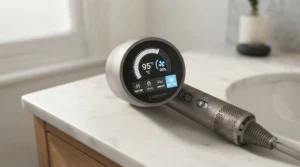
The headline feature is a genuinely quiet user experience combined with a circular LED display showing live temperature and speed settings, plus a notably lightweight build that matters more than most spec sheets admit over a full working day.
What several reviewers specifically call out is the absence of the faint high-pitched “whistling” sound that lingers even on some other quiet dryers — a detail that’s easy to dismiss on paper but genuinely affects perceived noise comfort during back-to-back client appointments. On top of the acoustic profile, the AERIS’s weight distribution and lightweight construction directly address one of the most under-discussed aspects of professional dryer choice: wrist and shoulder fatigue from holding a tool at shoulder height repeatedly through an eight-hour shift. This is squarely a pick for stylists who weight ergonomic comfort as highly as noise reduction itself.
✅ Genuinely quiet with no detectable high-pitched whistle
✅ Lightweight design specifically reduces arm and wrist fatigue
✅ Live LED temperature and speed display aids precise styling
❌ Less widely available through mainstream salon suppliers than bigger brands
❌ Premium positioning relative to entry-level quiet options
Sitting around £150-£200, it’s a strong choice for stylists prioritising comfort across long shifts as much as raw quiet performance.
7. Dyson Supersonic (Nural) — best premium build and diagnostics
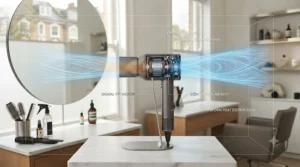
The standout feature is Dyson’s engineered silencer combined with a digital motor running at a frequency largely outside typical human hearing range, with the Nural variant specifically rated among the quieter Supersonic options at roughly 75-81 decibels.
Dyson’s approach differs technically from brushless DC competitors — rather than simply reducing friction, the motor’s high operating frequency shifts much of the noise into a register that’s less perceptually intrusive than the low-frequency roar of a traditional dryer, even when the raw decibel number sits similar to other models on this list. On paper, this is the most engineering-intensive solution to dryer noise in this comparison, reflected clearly in the price point, and reviewers consistently flag that the original (non-Nural) Supersonic models run considerably louder, so checking the specific variant before buying matters more here than with most other brands.
✅ Digital motor shifts noise into a less perceptually intrusive frequency range
✅ Strong build quality and brand reputation for durability
✅ Nural variant specifically engineered for reduced noise versus earlier models
❌ Original (non-Nural) Supersonic models run noticeably louder — check the variant
❌ Highest price point of any dryer in this comparison
Typically priced £300-£400, it’s the flagship choice for salons where budget is less of a constraint than premium build and brand consistency.
Setting Up a Quieter Styling Station: A Practical Usage Guide
Buying a quieter dryer solves part of the noise equation, but how it’s used day to day affects both perceived loudness and the tool’s own working life. Start by checking and clearing the air intake and filter regularly — a partially blocked intake forces the motor to work harder, which increases both noise and heat output, and this is one of the most common, entirely avoidable causes of a “quiet” dryer sounding louder than its rated specification after a few months of use. For models with a self-cleaning feature, like the mdlondon BLOW, actually using that function on the manufacturer’s recommended schedule rather than ignoring it pays off directly in sustained quiet performance.
Station layout matters more than most salons realise. Positioning styling chairs slightly further from hard, reflective surfaces like large mirrors or tiled walls reduces the way dryer noise bounces and compounds across a busy salon floor, and even modest acoustic panelling near drying stations can measurably soften the cumulative noise level several chairs experience simultaneously. A simple first-month habit worth adopting with any new quiet dryer is logging how it performs at the end of a full shift compared with day one — motors that seem fine when fresh out of the box sometimes reveal genuine differences in sustained noise and heat management only after several consecutive uses, which is useful information for deciding whether a model is right for your specific chair volume.
Real-World Scenarios: Matching a Quiet Dryer to Your Salon
Picture a busy, multi-chair city salon running five or six dryers simultaneously for most of the working day — here, the cumulative noise reduction from switching every chair to something like the Gamma+ Relax Silent or mdlondon BLOW compounds meaningfully across the room, benefiting both staff hearing health over a career and the overall client experience, even though the upfront cost across multiple stations is significant. Compare that with a smaller, one- or two-chair salon or a mobile or home-based stylist working close to clients in quieter, more intimate settings — for this scenario, the Beauty Works AERIS or Panasonic EH-NA65 offer a strong balance of quieter operation and lighter equipment investment, without needing the full premium spend of a flagship model.
Now consider a salon specifically marketing itself around client comfort — perhaps catering to clients with sensory sensitivities, young children, or simply a calmer, spa-like positioning — where noise reduction becomes part of the actual brand promise rather than a background nicety. For that scenario, the lowest-decibel option on this list, the Gamma+ Relax Silent, or the engineered-quiet Dyson Supersonic Nural, genuinely support that positioning in a way a standard AC dryer simply can’t match, regardless of how skilled the stylist using it might be.
What Makes a Hair Dryer “Quiet”? Understanding Decibels
In short: a quiet professional hair dryer is one that operates meaningfully below the 80-90 decibel range typical of standard AC-motor salon dryers, generally achieved through brushless DC motors, vibration-dampening construction, or refined airflow engineering, with genuinely quiet models typically rated somewhere between 64 and 78 decibels.
Decibels are measured on a logarithmic scale, which means small-looking number differences represent meaningfully larger changes in perceived loudness — broadly speaking, every 3 decibel increase roughly doubles the sound energy involved, so the gap between a 90dB standard dryer and a 76dB quiet model is considerably more dramatic in practice than the numbers alone suggest. The single biggest factor separating quiet from standard dryers is motor type: brushless DC motors have fewer moving parts than traditional AC motors, generating less friction and, by extension, less mechanical noise, often cited at roughly 10-15 decibels quieter under comparable conditions. Beyond motor type, secondary factors like vibration-dampening materials between the motor housing and outer shell, and aerodynamically refined air outlets that reduce turbulence, each contribute incremental but genuine noise reductions.
How to Choose a Quiet Professional Hair Dryer
Selecting the right model for your chair reliably comes down to checking these factors, regardless of brand:
- Check for a published decibel rating, not vague marketing language. Terms like “whisper-quiet” without a number attached tell you nothing verifiable — insist on a specific dB figure.
- Prioritise brushless DC motors over traditional AC motors if noise reduction is genuinely your top criterion, since this is the single biggest engineering factor at play.
- Don’t sacrifice airflow speed for decibels alone. A dryer that’s quiet because it’s underpowered will cost you in client chair-time, undermining any noise benefit.
- Weigh the tool itself, not just the motor. A lighter, better-balanced dryer reduces arm and wrist fatigue across a full shift, which matters as much as acoustic comfort over a working career.
- Check for vibration-dampening or silencer features specifically, since these target a different noise source (structure-borne vibration) than motor type alone.
- Read independent reviews from working stylists, not just retailer copy, since real-world, full-shift noise performance sometimes differs from day-one demo conditions.
- Factor in maintenance features like self-cleaning, since a clogged intake genuinely increases noise output over time regardless of how quiet the dryer was when new.
Salon Quiet Hair Dryer vs Standard Salon Dryer
A frequent question from salons weighing up an equipment upgrade is whether the noise difference is genuinely significant enough to justify the spend. The table below sets out the practical comparison.
| Factor | Standard AC Salon Dryer | Salon Quiet Hair Dryer |
|---|---|---|
| Typical noise level | 80-90 dB | 64-78 dB |
| Motor type | AC | Brushless DC or digitally-controlled |
| Typical price | £40-£90 | £100-£400 |
| Client comfort impact | Often noticeably loud and fatiguing | Markedly calmer experience |
| Staff hearing exposure over a career | Higher cumulative risk | Reduced cumulative risk |
The clearest takeaway from this comparison is that the noise gap isn’t marginal — moving from a typical 85-90dB AC dryer to a 64-78dB quiet model represents a genuinely substantial reduction in both perceived loudness and, over a career’s worth of daily exposure, cumulative noise impact on stylists’ hearing. The price premium is real, but for a multi-chair salon running dryers for most of a working day, the staff wellbeing and client experience case is considerably stronger than for an occasional home user.
💬 Ready to Quieten Your Styling Station?
Compare current prices across the quiet professional dryers above and start with one chair before rolling out a full salon upgrade.
Professional Silent Hair Dryer: Features That Actually Matter (And Those That Don’t)
Marketing copy for professional silent hair dryer ranges leans heavily on bold “whisper-quiet” or “silent” language, but as covered above, the only feature that genuinely correlates with real noise reduction is a verifiable decibel rating paired with brushless or digitally-controlled motor technology. Vibration-dampening construction and self-cleaning maintenance features also show up repeatedly as meaningful, measurable contributors to sustained quiet performance, which is why they’re worth specifically checking for rather than dismissing as gimmicks.
Conversely, features that matter less than packaging implies include cosmetic styling cues like matte finishes or colour schemes marketed alongside “calm” or “spa” branding, which have no bearing on actual acoustic performance, and overstated attachment counts, since most working stylists rely on the same one or two nozzle and diffuser attachments regardless of how many extras come in the box. If a listing emphasises styling and branding language more heavily than a specific decibel figure, that’s generally a sign the noise claim hasn’t been independently measured.
Quiet Hair Dryer for Hairdressers: Daily Use Considerations
Choosing a quiet hair dryer for hairdressers specifically — as opposed to a one-off home purchase — means weighing durability and sustained performance across genuinely heavy daily use, not just day-one noise figures. A dryer used for six, eight or more client appointments in a row faces motor heat-soak, repeated on-off cycling, and far more cumulative wear than an occasional home dryer ever encounters, and noise performance under that kind of sustained load doesn’t always match a fresh-out-of-the-box demo.
This is where the more established salon names on this list — the Parlux 3800 EcoFriendly’s proven silencer technology, or the durability reputation behind ghd’s professional range — earn their place alongside the newer, quieter brushless entrants. A genuinely useful approach for working stylists is to trial a single unit on the busiest chair in the salon for two to three weeks before committing to a full multi-chair rollout, since that’s the realistic stress test that catches any gap between marketed and actual sustained noise performance.
Client Comfort: Why Salon Dryer Noise Matters Beyond Ears
Noise affects far more than hearing alone, and client comfort salon dryer considerations increasingly factor into how relaxed — and how likely to return — a client feels during their appointment. A loud, jarring dryer makes conversation difficult, can genuinely startle younger clients or those with sensory sensitivities, and contributes to the kind of low-grade environmental stress that, cumulatively, shapes whether someone associates a salon visit with relaxation or with simply enduring an hour of noise.
This matters commercially as well as ethically. Salons specifically marketing a calmer, more considered client experience — whether for general comfort positioning or to genuinely accommodate clients with noise sensitivities — have a real, demonstrable equipment lever available in dryer choice, distinct from décor or service style alone. A consistently quieter drying experience across every chair is one of the more tangible, repeatable ways a salon can differentiate its in-chair experience without retraining a single member of staff.
Professional Grade Low Noise: What the Numbers Really Mean
The term professional grade low noise gets used loosely across marketing copy, but in genuinely professional contexts it should map to specific, verifiable figures rather than relative claims like “quieter than our old model.” As covered earlier, sounds at or below roughly 70dB are generally considered comfortable for sustained exposure, while the Hairdressers Journal notes that the average decibel level for a standard hair dryer typically sits between 80 and 90 decibels, meaning anything genuinely rated under 80dB already represents a meaningful improvement over the category norm.
For a salon evaluating equipment specifically on this criterion, the practical benchmark worth applying is straightforward: treat any dryer marketed as “professional grade low noise” with scepticism unless the specific decibel figure is published and ideally independently verified, rather than simply taking a brand’s relative comparison to its own older models at face value.
Ergonomic Salon Equipment: Reducing Strain on Stylists
Noise is only one half of the physical toll professional dryer use can take across a career, and ergonomic salon equipment considerations deserve just as much weight in any purchasing decision. Research into the hairdressing profession specifically has found that a substantial proportion of work-related musculoskeletal disorders among hairdressers stem from repetitive upper-limb movement and prolonged elevated arm postures, with the back, neck, shoulder and wrist consistently identified as the most commonly affected areas.
A hair dryer held at or above shoulder height repeatedly through an eight-hour shift is a direct contributor to that cumulative strain, which is exactly why weight and balance matter as much as noise level when assessing a professional tool. Lighter, better-balanced models like the Beauty Works AERIS or mdlondon BLOW reduce the load on wrists and shoulders specifically, and stylists managing existing strain symptoms may find that swapping to a lighter dryer, alongside basic stretching breaks between clients, makes a genuinely meaningful difference over a working week rather than just a single shift.
Common Mistakes When Buying a Quiet Salon Dryer
The most frequent and costly mistake is trusting marketing adjectives like “silent” or “whisper-quiet” without checking for an actual published decibel figure, since these terms carry no standardised meaning across manufacturers. A second common error is focusing exclusively on noise while ignoring airflow power, resulting in a genuinely quiet dryer that takes noticeably longer per client — a trade-off that erodes appointment scheduling and, ultimately, revenue per chair.
Many salons also underestimate the value of trialling one unit before a full multi-chair rollout, committing to an expensive bulk purchase based on a single demo rather than two or three weeks of real, sustained daily use. Finally, overlooking ergonomics in favour of decibel rating alone is a mistake that tends to surface only months later, once cumulative wrist or shoulder strain from a heavier model becomes a genuine occupational health concern rather than a minor inconvenience.
Long-Term Cost & Maintenance
Quiet professional dryers generally cost more upfront than standard AC alternatives, but the comparison looks different once you factor in motor longevity and reduced strain-related absence. Brushless DC motors typically last longer than traditional AC motors thanks to reduced internal friction, which translates into fewer replacement purchases across a salon’s working life even before factoring in the noise and comfort benefits.
| Dryer Type | Typical Price | Typical Motor Lifespan | Noise-Related Staff Benefit |
|---|---|---|---|
| Standard AC salon dryer | £40-£90 | 3-5 years | Minimal |
| Mid-range quiet (DC/silencer) | £100-£180 | 5-7 years | Moderate, noticeable over a shift |
| Premium quiet (brushless/digital) | £180-£400 | 7-10 years | Significant, measurable over a career |
Looking at the table, the premium tier’s longer typical motor lifespan meaningfully narrows the real cost gap versus standard dryers once you spread the higher upfront price across several extra years of working life, before even accounting for the staff wellbeing and client comfort benefits that don’t show up on a simple price tag.
Safety, Regulations & Compliance Guide
For salons specifically, noise exposure isn’t just a comfort question — it’s a regulated workplace safety matter. Employers in Great Britain have specific legal duties under the Control of Noise at Work Regulations 2005, including assessing noise risk to employees, taking action to reduce exposure, and providing hearing protection where exposure can’t be sufficiently reduced by other means — obligations that become genuinely relevant in a multi-chair salon running several dryers simultaneously across a full working day.
Choosing genuinely quieter equipment is one of the most direct, practical engineering controls available to salon owners under this guidance, reducing risk at the source rather than relying solely on training or protective equipment after the fact. Beyond noise, general electrical safety standards apply to all professional hair dryers sold in the UK — checking for a CE or UKCA mark and buying through reputable, established retailers remains the simplest way to confirm a dryer meets the relevant electrical safety requirements.
Frequently Asked Questions
❓ What decibel level counts as a quiet hair dryer?
❓ Do brushless motors really make hair dryers quieter?
❓ Are quiet hair dryers as powerful as standard salon dryers?
❓ Why does salon dryer noise matter for staff, not just clients?
❓ Is a quiet professional hair dryer worth the higher price for a small salon?
Conclusion
Choosing a quiet professional hair dryer ultimately comes down to balancing three things honestly: verified noise performance, real styling power, and how the tool feels in your hand across a genuinely long working day. The seven models covered here, from the salon-proven Parlux 3800 EcoFriendly through to the engineering-led Dyson Supersonic Nural, each solve that balance slightly differently, and the right choice depends on your specific chair volume, client base, and how much weight you put on ergonomics alongside acoustic comfort.
Start by checking published decibel figures rather than marketing language, trial a single unit before a full salon rollout, and factor staff hearing and strain considerations into the decision alongside client experience — the salons that get this right tend to find the investment pays for itself in fewer noise complaints, calmer chairs, and a working environment stylists genuinely prefer.
✨ Found Your Salon’s Quieter Match?
🎧 Check current pricing on the quiet professional hair dryers above and consider trialling one chair before a full salon-wide upgrade.
Recommended for You
- Quiet Hair Dryer for Baby Sleeping: 7 Best Low-Noise UK Picks 2026
- Best Heat Control Hair Dryers UK 2026: 7 Expert Picks Tested
- Best Auto Adjust Hair Dryer UK 2026: 7 Smart Picks Reviewed
Disclaimer: This article contains affiliate links. As an Amazon Associate, I earn from qualifying purchases. If you purchase products through these links, we may earn a small commission at no additional cost to you.
✨ Found this helpful? Share it with your friends! 💬🤗
